
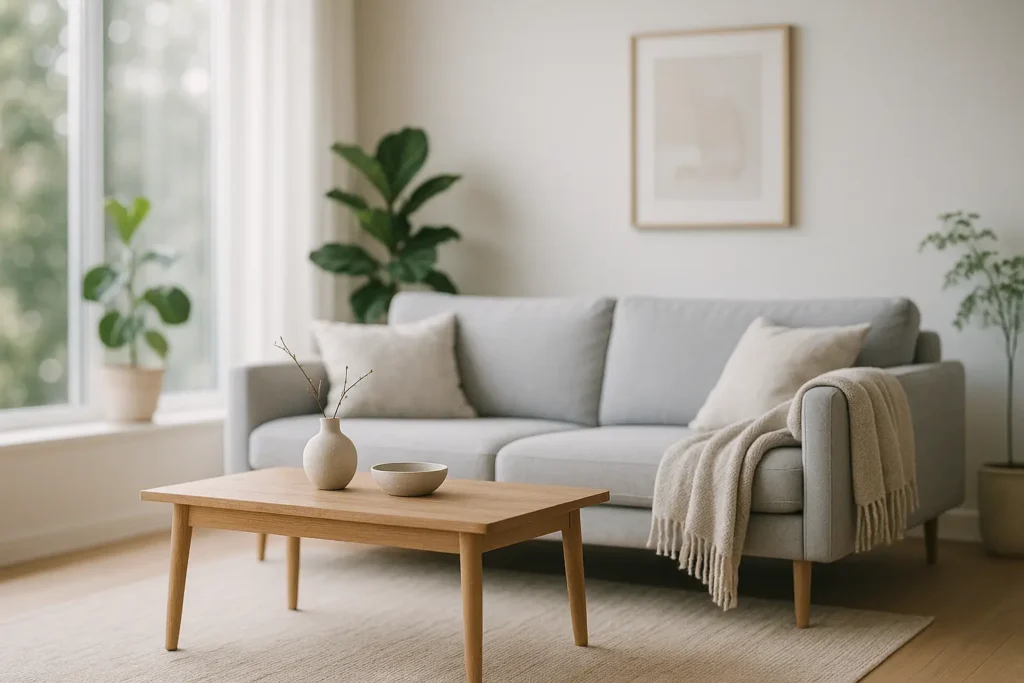
In the world of interior design, few styles have captured hearts and homes quite like Scandinavian design. Originating from the Nordic countries, this design philosophy brings a refreshing simplicity and a profound connection to nature into our living spaces. But why is it that Scandinavian design feels more like a philosophy than just a passing trend? It is because it captures the very essence of minimalism, blending functionality with beauty, creating rooms that not only look stunning but feel like a sanctuary. As we delve deeper, we’ll uncover how this style can reshape our lives by transforming our homes into harmonious havens.
The Essence of Simplicity: Minimalism in Scandinavian Design
Minimalism is at the core of Scandinavian design, and it’s more than just about having fewer furniture pieces. It’s a way of enhancing our living environment by stripping away the unnecessary and focusing on what truly matters. This design style encourages us to embrace simplicity, making our homes a reflection of clarity and purpose.
Scandinavian design champions natural materials and neutral color palettes, drawing inspiration from the raw beauty of the Northern landscapes. By choosing wood, wool, leather, and stone, we bring a sense of warmth and nature into our homes. Spaces become calming, allowing us to breathe and think more freely.
In Scandinavian homes, every item has a function. It’s about finding beauty in utility. The furniture is not merely decorative but serves multiple purposes, ensuring that space is used efficiently. A single piece can often act as a seating area, storage space, or even a room divider, proving that versatility is key.
Choosing minimalist design doesn’t mean sacrificing comfort or style. Instead, it encourages thoughtful curation of our surroundings. By selecting pieces that resonate with us and discarding the clutter, we create a space that not only looks good but feels good.
The Power of Natural Light and Its Role in Scandinavian Spaces
Natural light is a cherished element in Scandinavian design, often used as a tool to enlarge and brighten our rooms. In the Nordic regions, long winters mean fewer daylight hours, making natural light an essential feature in designing comfortable and welcoming spaces. The strategic placement of windows, coupled with airy interior layouts, ensures that every ray of sunlight is maximized.
The art of reflecting light is mastered through the use of white walls and lightly colored furnishings, which allow the light to bounce and create an ambiance of openness and serenity. By incorporating mirrors and glossy surfaces, we can further enhance the distribution of light throughout our homes, making even the smallest room feel expansive.
We should not overlook the importance of artificial light. Scandinavian design embraces modern lighting fixtures that double as art pieces. These fixtures provide not just illumination but also add character to our spaces. From pendant lights to floor lamps, each serves a purpose—be it for reading, working, or creating a cozy atmosphere.
Incorporating ample light into our daily lives can significantly impact our mood and productivity. By aligning our environments with natural rhythms, we connect more deeply with our surroundings, experiencing a harmonious balance between life and space.
Bringing the Outdoors In: Nature’s Influence on Scandinavian Interiors
Scandinavian design is deeply rooted in a profound respect for nature, often blurring the lines between indoor and outdoor environments. This connection is celebrated through the extensive use of natural materials and organic forms, allowing us to bring a piece of the outside world into our homes.
Large windows and open plans are integral, inviting the natural landscape to become a part of our daily life. Whether it’s the warmth of the sun filtering through the leaves or the soothing sound of rain, these elements remind us of our place in the natural world.
Furniture is often crafted from local and sustainable materials, such as oak or birch, reflecting the natural beauty of the surrounding forests. Textures like woven fabrics, woolen throws, and sheepskin rugs add layers of comfort and connect us to the earth. By using furniture and decor crafted from natural elements, we create a sanctuary that feels grounded and peaceful.
Incorporating plants and greenery further enhances this connection. Not only do they purify the air, but they also add life and color to our spaces. Potted ferns, hanging ivy, and small succulents can transform a room into a vibrant oasis, promoting well-being and a sense of tranquility.
Ultimately, by embracing nature within our living spaces, we create an environment where harmony reigns, offering us a retreat from the chaos of the modern world.
Creating a Functional Living Space: The Beauty of Scandinavian Furniture
Furniture in Scandinavian design goes beyond mere aesthetics—it’s about creating a functional and comfortable space that supports our daily activities. This approach to design emphasizes the importance of practicality and simplicity, ensuring that every piece serves a purpose.
Scandinavian furniture is characterized by clean lines, a subdued palette, and an emphasis on craftsmanship. These elements come together to create pieces that are not only beautiful but also long-lasting. By choosing quality over quantity, we embrace a sustainable lifestyle where each piece of furniture has a story and significance.
Multifunctionality is a key component. A sleek sofa bed can provide a sense of coziness during the day and transform into a comfortable bed at night. A dining table that extends can accommodate intimate family dinners or large gatherings, offering flexibility and adaptability.
The simplicity inherent in Scandinavian design does not equate to monotony. Instead, it opens opportunities for us to express our personal style through curated choices of texture and color. Woolen cushions, leather accents, and metal light fixtures can create a balanced yet dynamic interior.
By focusing on the functionality of our spaces, we ensure that our homes not only look appealing but also cater to our lifestyle needs. This thoughtful approach enables us to live with intention, creating a home that is as efficient as it is beautiful.
Scandinavian design is much more than a trend—it’s a way of life that prioritizes simplicity, harmony, and connection with nature. By adopting this design philosophy, we can transform our living spaces into sanctuaries that reflect our values while enhancing our well-being.
This style invites us to simplify, to find beauty in the natural, and to cherish the mundane moments that make up our daily life. It is a philosophy that celebrates light, function, and the delicate balance between interior and nature.
As we continue to seek refuge from the frenetic pace of modern life, embracing the principles of Scandinavian design offers us the opportunity to create a tranquil, welcoming space that inspires us every day. Let’s embark on this journey together—transforming our homes into havens of peace and purpose.
FAQ
What is the core philosophy behind Scandinavian design?
Scandinavian design is rooted in the principles of simplicity, functionality, and minimalism. It emphasizes clean lines, balanced proportions, and the use of natural materials to create spaces that are both aesthetically pleasing and practical.
How does Scandinavian design prioritize functionality?
Functionality is a cornerstone of Scandinavian design, where every element serves a purpose. This approach involves creating pieces that are not only beautiful but also highly practical, ensuring they meet the needs of everyday life.
Why is natural light significant in Scandinavian interiors?
Natural light is crucial in Scandinavian interiors due to the long, dark winters in the region. By maximizing light entry through large windows and light-colored walls, these spaces become brighter and more welcoming, promoting a sense of well-being.
What role do materials play in Scandinavian design?
Materials are integral to the authenticity of Scandinavian design. The use of organic, sustainable materials like wood, wool, and leather connects interiors to nature, ensuring a warm and inviting atmosphere while promoting eco-friendly practices.
How does Scandinavian design remain timeless amidst changing trends?
Its timelessness stems from a focus on quality, craftsmanship, and timeless aesthetics. By prioritizing enduring materials and designs that transcend passing trends, Scandinavian design remains relevant and admired across generations.