
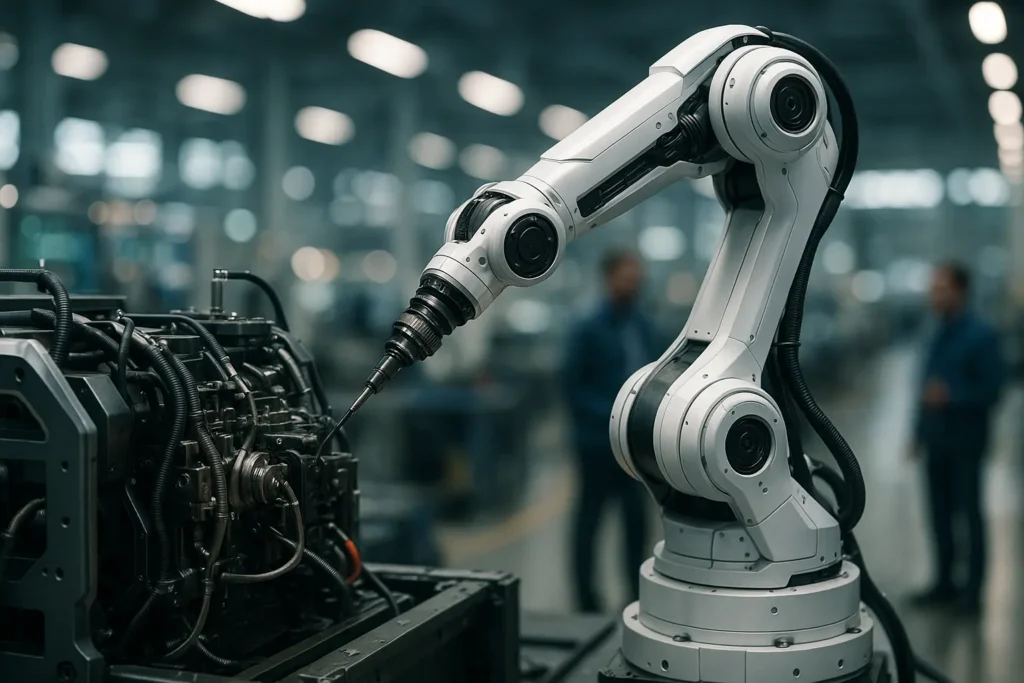
In the bustling dance of industrial machinery, each piece of equipment is a pivotal player. But what happens when these mechanical giants, crucial to our performance-based operations, begin to falter? The answer is simple: downtime, and not the kind we hope for. This is where predictive maintenance steps in—a method that transforms data into foresight, reducing failures and increasing reliability. As we delve into this intriguing realm, we’ll explore how machine learning models are reshaping how we think about asset upkeep, making sure our systems stay in motion, even when they’re “bored.”
Understanding Predictive Maintenance
Predictive maintenance isn’t just a buzzword; it’s a sophisticated system that leverages data to foresee and mitigate potential equipment failures. At its core, this technique is about preventing unnecessary downtime by predicting when a machine might fail. For those unfamiliar, it may seem like a scene from a science fiction movie, yet in reality, it’s an embodiment of modern technological advancement.
In traditional maintenance setups, we often rely on scheduled checks or reactive responses to failures. However, predictive maintenance shifts this paradigm by employing machine learning models to analyze performance data and predict future issues. The goal is clear: intervene before problems become apparent. This data-based approach allows us to reduce costs, increase the lifespan of our assets, and enhance overall system performance.
The method utilizes a blend of historical data, real-time monitoring, and machine learning to create a comprehensive picture of a machine’s health. By doing so, maintenance teams can allocate resources more efficiently, tackling issues when they’re imminent rather than when they’re catastrophic.
The Role of Machine Learning in Maintenance
Machine learning stands at the heart of predictive maintenance, acting as an invisible force that underpins all operations. By processing vast amounts of data, machine learning algorithms can identify patterns and anomalies that human analysis might miss. These models are not just theoretical—they’re practical tools that provide valuable insights into equipment performance and potential failures.
One of the fascinating aspects of these models is their adaptability. As more data is fed into the system, they learn and improve, becoming more accurate in their predictions. This self-improving cycle ensures that maintenance schedules are always optimized and relevant, thus reducing the risk of unplanned downtime.
Moreover, machine learning enables maintenance teams to adopt a more proactive approach. By predicting potential issues, they can schedule interventions at times that cause the least disruption. This not only improves the reliability of industrial systems but also maximizes asset efficiency, offering a tangible return on investment.
In essence, machine learning is the unsung hero of predictive maintenance, empowering industries to move beyond mere maintenance and into the realm of strategic foresight.
Challenges and Opportunities
While the benefits of predictive maintenance are numerous, its implementation is not without challenges. Integrating predictive systems requires a substantial initial investment in both time and resources. Building robust models, acquiring quality data, and training personnel are all significant undertakings that can deter some organizations.
However, the opportunities far outweigh the challenges. Once the predictive maintenance system is in place, the advantages become apparent. Downtime is minimized, equipment lifetime is extended, and operational performance is enhanced. Moreover, predictive maintenance encourages the development of a data-driven culture within organizations, fostering an environment where decisions are based on facts rather than assumptions.
The real challenge lies in the continuous evolution of technology. As machine learning techniques become more sophisticated, industries must stay abreast of new developments to leverage the full potential of predictive maintenance. This requires ongoing investment in learning and adaptation, but the rewards—greater reliability and efficiency—are worth the effort.
Ultimately, the pathway to overcoming these challenges lies in embracing change and recognizing the transformative power of predictive maintenance. It’s not just about maintaining machines; it’s about revolutionizing the way we approach industrial operations.
The Future of Predictive Maintenance: An Outlook
As we gaze into the future, the landscape of predictive maintenance appears both promising and exciting. The continued advancement of machine learning and data analytics will undoubtedly lead to more sophisticated and accurate models. These innovations will empower industries to harness the full potential of their assets, ensuring systems run like clockwork, even when machines seem “bored.”
The evolution of the Internet of Things (IoT) will play a crucial role in this future. By connecting physical objects to the internet, IoT will facilitate real-time data collection, enhancing the predictive capabilities of maintenance systems. This seamless integration will lead to a new era of reliability, where equipment can essentially “communicate” its needs before failures occur.
Moreover, the focus on sustainability will drive further innovation. Predictive maintenance aligns with green initiatives by reducing waste and optimizing resource use. As industries face increasing pressure to operate sustainably, the role of predictive maintenance as an eco-friendly solution will become even more prominent.
In conclusion, the future of predictive maintenance is bright. As we continue to innovate, we’ll witness a world where industrial systems are not only more efficient but also more environmentally conscious, paving the way for a smarter, more sustainable industry.
In the realm of industrial machinery, “boredom” equates to optimal performance and minimal downtime. Through the lens of predictive maintenance, we can transform potential setbacks into opportunities for growth and efficiency. By embracing data-driven insights and machine learning advancements, we unlock the secrets of equipment longevity and operational excellence.
As we move forward, let us view our machines not just as tools but as partners in our quest for innovation. In this dance of technology and foresight, every piece of equipment plays its part, allowing us to march confidently into a future where boredom is anything but mundane. Together, we’ll pave a path of reliability and innovation, where “boredom” is a badge of honor in the world of predictive maintenance.
FAQ
What does predictive maintenance mean in the context of machine operations?
Predictive maintenance refers to the technique of using data analysis and sensors to predict when a machine might fail or need servicing, allowing for timely interventions to avoid unexpected breakdowns.
How do machines ‘get bored,’ and what are the implications of this analogy?
The concept of machines ‘getting bored’ is a metaphor for the periods when machines operate without errors or interventions. During these times, they continue to function as expected, but without predictive maintenance, the risk of unanticipated failures increases.
Why is predictive maintenance important for businesses using machinery?
Predictive maintenance is crucial because it can reduce downtime, extend the lifespan of equipment, and save costs associated with emergency repairs. By predicting potential issues, businesses can plan maintenance activities without disrupting operations.
What technologies are involved in implementing predictive maintenance?
Predictive maintenance relies on technologies such as sensors, IoT devices, and machine learning algorithms. These technologies help monitor equipment conditions in real-time, analyze data, and predict when maintenance should be performed.
Can predictive maintenance completely prevent machine failures?
While predictive maintenance significantly reduces the likelihood of unexpected failures, it cannot completely eliminate them. It is an effective tool for minimizing risks and planning maintenance, but it doesn’t replace the need for regular inspections and updates.