
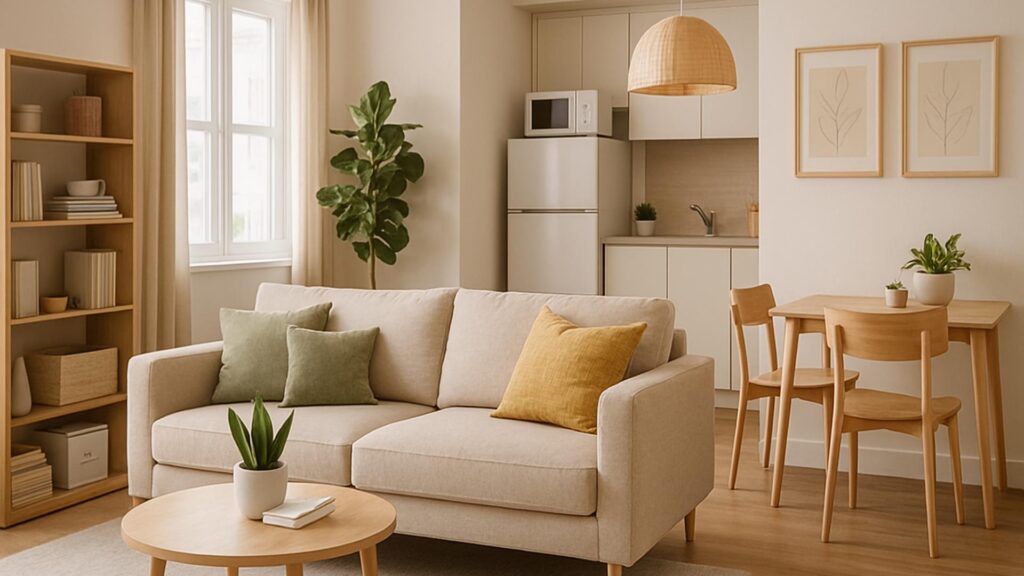
In our ever-evolving world, the art of making the most out of limited square footage has never been more pertinent. As urban living continues to rise, we find ourselves presented with the unique challenge of transforming small spaces into functional and inviting living environments. We might wonder, can a room that is modest in size truly embody a sense of expansiveness? The answer is an emphatic yes. By leveraging intelligent design, strategic use of furniture, and thoughtful incorporation of light, we can create spaces that not only look open but feel airy and stylish. Let us guide you through this transformative journey, offering insights into how we can craft inviting interiors without sacrificing comfort or aesthetics.
Maximizing Space with Versatile Furniture
When it comes to designing for small spaces, selecting the right furniture is key to unlocking its full potential. We believe that every piece should serve multiple purposes, combining form and function seamlessly. Multi-functional furniture not only saves space but also enhances the aesthetic appeal of a room. From pull-out couches to extendable tables, versatile furniture ensures that every nook and cranny is optimally utilized.
Storage is another critical consideration when outfitting a compact living area. Think outside the box and opt for storage solutions that double as decor. Wall-mounted shelves, for instance, free up floor space while providing a platform for displaying personal treasures. Investing in furniture with built-in storage, such as ottomans or beds with drawers, helps keep your space organized and clutter-free.
The placement of furniture can significantly impact how a room is perceived. Arranging furniture to create designated zones—a reading nook, a work area, or a cozy lounging corner—will make the space feel more dynamic and less cramped. Let’s not forget the importance of color as well. Opting for a neutral palette allows the room to feel open and airy, while accent pieces can inject pops of personality. The clever placement of reflective elements, like mirrors, can magnify a room’s dimensions, creating an illusion of increased depth.
Harnessing the Power of Light and Color
Lighting plays a pivotal role in shaping the ambiance of a small room. We can harness its power to create a sense of openness and expansiveness. Natural light is our best ally, so if we have windows, let’s make the most of them by keeping them unobstructed and using sheer, light-filtering curtains. If natural light is limited, layering different types of artificial lighting can mimic its effects.
Overhead lighting, coupled with strategically placed floor and table lamps, will reduce shadows and brighten corners, making the space feel larger. Incorporating dimmers allows us to adjust the brightness according to our needs, adding a touch of versatility and ambiance.
Color is another tool in our arsenal for opening up small spaces. Light colors such as soft whites, pastels, or muted tones can make a room feel more expansive. Yet, we shouldn’t shy away from using darker hues. When used sparingly, they can add depth and interest, especially when paired with light or metallic accents that reflect light.
Lastly, the psychology of color can play a significant role in how we perceive size. For instance, cooler tones like blues and greens can evoke a calm, open feeling, while warmer tones like reds and oranges can make a space feel cozy and intimate. With the right balance, color can elevate our interiors from small and cramped to open and inviting.
Creating Flow with Open Layouts
An open layout is a modern design ethos that underscores the need for a seamless flow between different spaces within a room. By eliminating rigid boundaries, such as walls or partitions, we can cultivate a sense of continuity and openness that defies the constraints of square footage.
To achieve this, open up the kitchen to the living area, creating a combined space that encourages interaction. This maximizes the utility of every square inch and fosters a social environment that is both functional and inviting.
Our choice of furniture can further accentuate this flow. Low-profile seating, like sofas without high backs, fosters a clear line of sight across the room. Similarly, using furniture with exposed legs creates a visual break, tricking the eye into perceiving a larger space.
Incorporating transitional elements, such as sliding doors or movable partitions, offers the flexibility to create distinct spaces when needed, while maintaining the option for an open layout. Meanwhile, continuity in design elements, like using the same flooring material throughout, reinforces the illusion of a larger area.
Textures and patterns can also play a role in defining and enhancing open layouts. Integrating subtle, textured accents or patterns on walls or soft furnishings injects personality without overwhelming the space. Remember, the goal is to ensure that while the layout is open, each area maintains its identity and purpose.
Personal Touch: Art and Décor
A small space doesn’t need to lack personality. In fact, the art and décor we choose can be the perfect expression of our individuality. It’s time we embrace the idea that less can be more when executed thoughtfully.
Wall art plays a crucial role in adding character without compromising space. Large pieces can anchor a room, drawing the eye up and creating visual interest. For those who prefer a collection of smaller photos or prints, arranging them in a curated gallery wall can add charm and depth.
Personal touches, such as mementos or travel souvenirs, can be displayed on open shelving or discreetly integrated into existing decor. The key is ensuring that these items harmonize with the overall design rather than cluttering the space.
As for color, choose decor pieces that complement the existing palette. A vibrant throw pillow or a colorful rug can invigorate a neutral room, drawing attention to the subtle nuances of the design. Plants are also a fantastic way to infuse life into a small space. They create a fresh, organic atmosphere while adding pops of green.
Mirrors are not only beautiful but also practical. They’re the perfect decorative element for creating the illusion of more space. By reflecting light and echoing objects within the room, strategically placed mirrors can make our spaces feel doubly expansive. In the end, a room is a reflection of who we are and should tell our story thoughtfully and stylishly.
Designing for small spaces doesn’t mean compromising on style or comfort. We like to think of it as an opportunity to exercise creativity, an invitation to find ingenious solutions that transform compact rooms into open and harmonious environments. By focusing on versatile furniture, strategic lighting, color palette choices, and the thoughtful arrangement of decor, we can craft interiors that feel spacious and inviting.
As we’ve explored, the key lies in embracing the principles of modern design and creating a sense of flow. By allowing each area to breathe and narrate its own story, we can ensure that even the smallest of spaces radiate personality and charm, ultimately turning every corner into a sanctuary that feels grand in its own right. Credit yourself with the ability to reimagine and redefine the spaces you inhabit, ensuring they resonate with beauty and functionality in equal measure.
FAQ
How can I make a small space feel larger?
Incorporating mirrors can create an illusion of depth, making the room appear bigger. Additionally, opting for light color palettes and minimizing clutter can help open up the space.
What furniture is best for small areas?
Multi-functional furniture like sofa beds, extendable tables, or ottomans with storage can maximize utility without overcrowding. Opt for pieces with exposed legs to maintain a sense of openness.
Is it possible to have ample storage in a small room?
Absolutely! Consider vertical storage solutions like tall bookshelves, wall-mounted cabinets, or even under-bed storage to efficiently utilize every inch of space.
How can lighting impact the perception of space?
Strategically placed lighting can dramatically transform a small area. Layered lighting, such as a combination of floor lamps, wall sconces, and overhead lights, can add depth and warmth, making the room feel more inviting and spacious.
Can I use bold colors in a compact space?
Yes, but moderation is key. You can incorporate bold hues through accents like cushions, artwork, or a statement piece of furniture to add character without overwhelming the room.